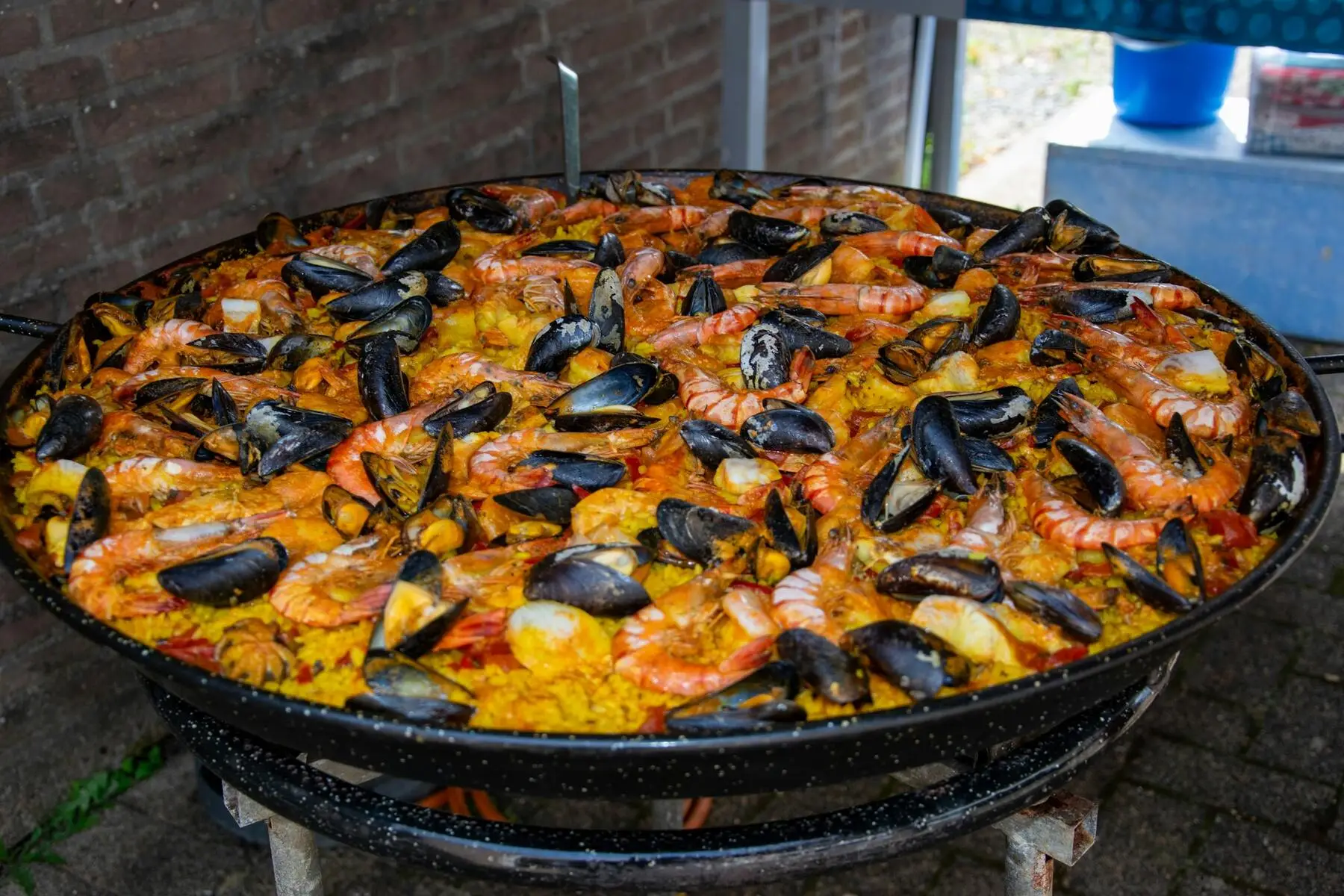
Why La Tanda
In the horta, water belongs not to whoever wants it but to whoever’s turn it is. This restaurant works the same way.
Your turn for water
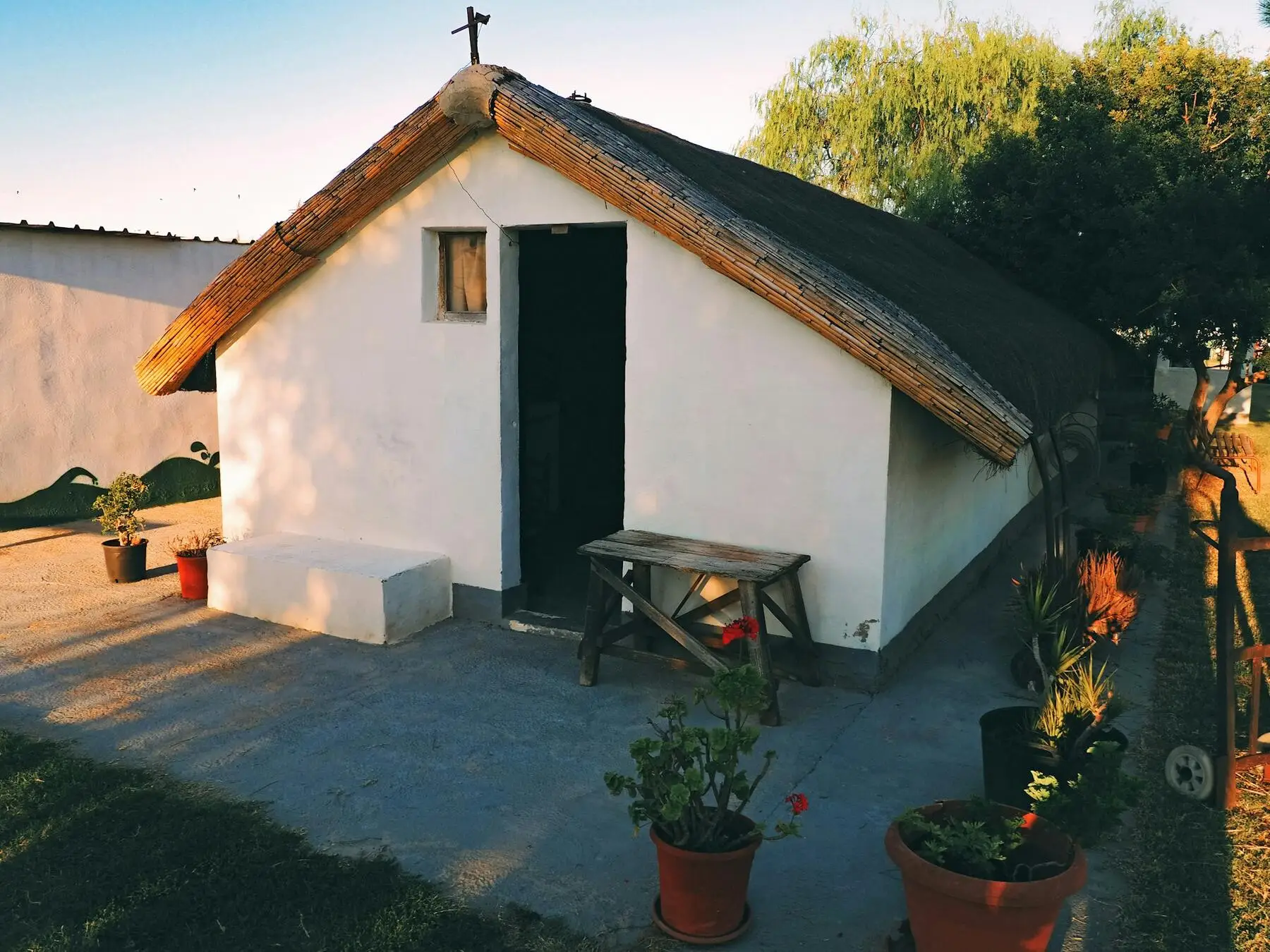
The irrigation channels of the horta have shared out water in turns for centuries. Every field has its tanda: a day and an hour when the gate opens and the water comes in. Miss it, and you wait for the next.
Even now, every Thursday at noon, the channel stewards meet at the Apostles’ Door of Valencia Cathedral to settle disputes over watering. They do it in Valencian, by word of mouth, with no paperwork.
The farmhouse
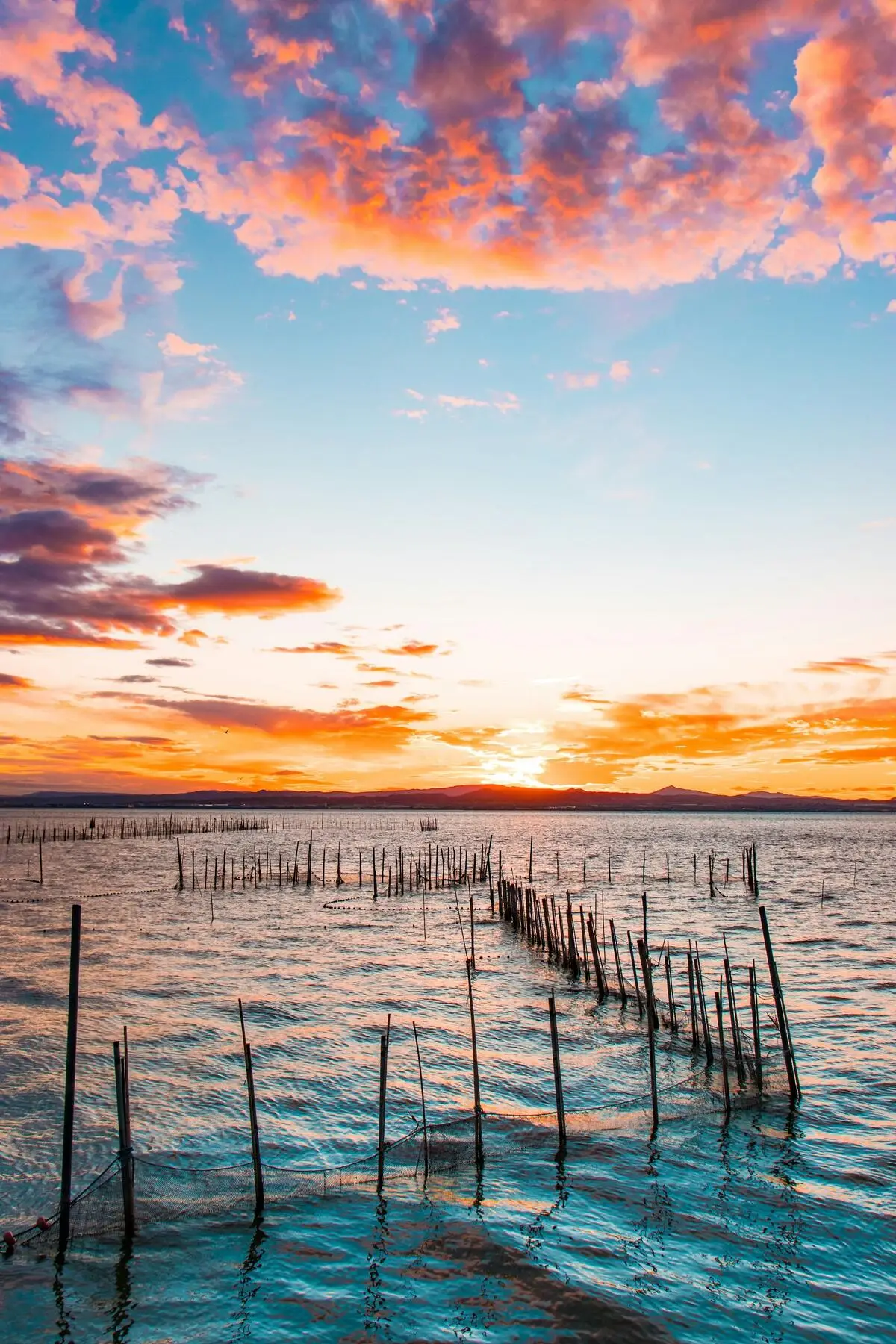
The house is a nineteenth-century alqueria, a Valencian farmhouse, on the Camí Vell de la Sèquia, between orange groves and rice fields. The walls are lime-washed like the cottages of the marshes, and the fire is where the kitchen has always been: in the yard, under the vine.
There are twenty-eight seats inside and thirty-two on the terrace. No more, because no more pans would fit on the fire.
One paella for each table
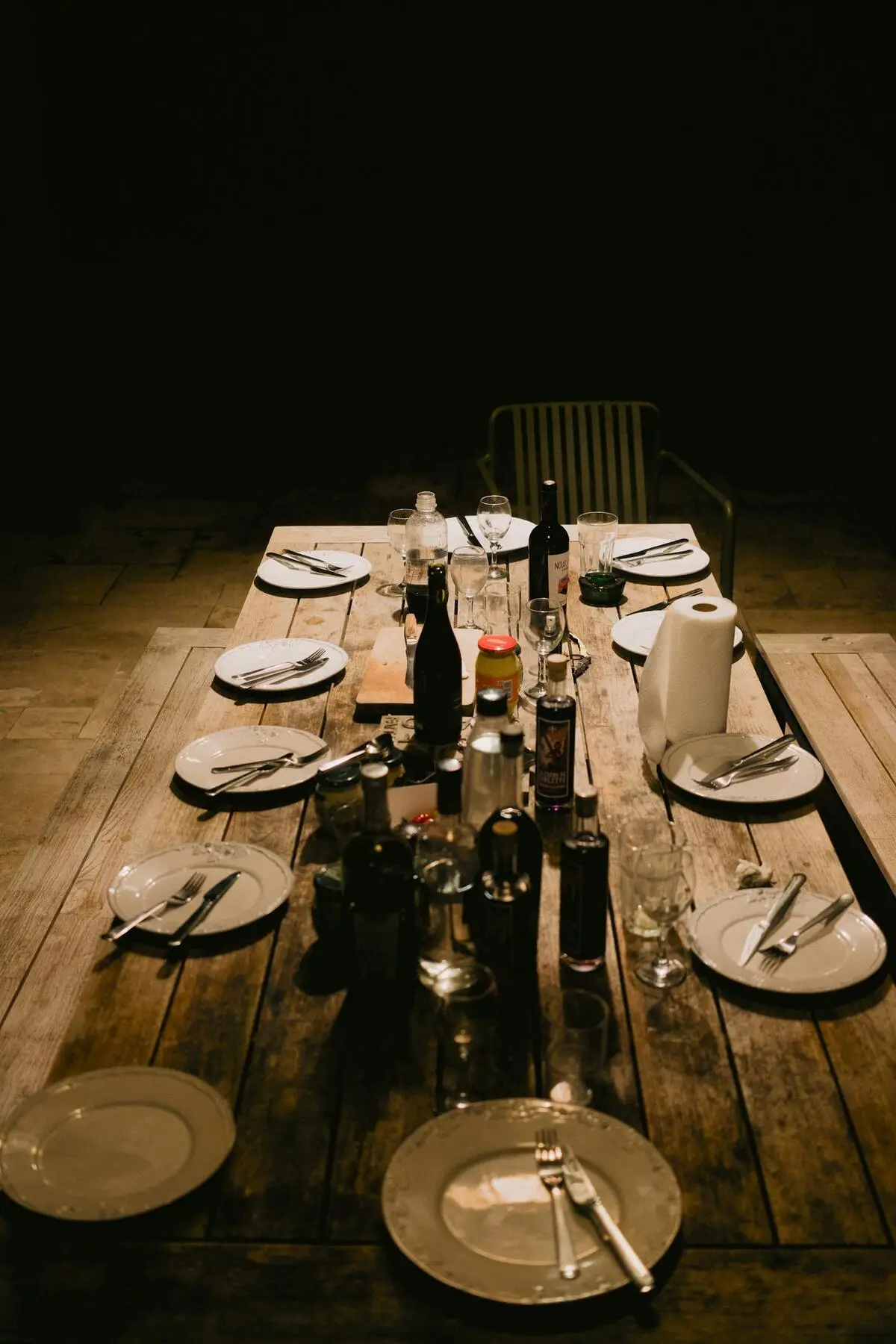
We do not make one big rice and share it out. Each paella is made for one table, in the size that table needs, and arrives whole. That is why you order your rice when you book, and why there are only two sittings.
The wood is orange wood, from the winter pruning in the groves next door. It gives a short, lively fire, which is what a dry rice needs.
Nobody touches it.
Once the rice is in the pan, it is never stirred again. The fire does the rest: high at first, so the rice boils, then low, so it dries and catches a little on the bottom.
That little that catches is the socarrat. Some people come for it and some would rather not. Tell us when you book.