Three programs, one river.
We work on 7.5 miles of the Tessel River, from the Mill Reach to the Ash Creek confluence. Everything we do is done by volunteers, with two part-time staff to plan it and keep it safe.
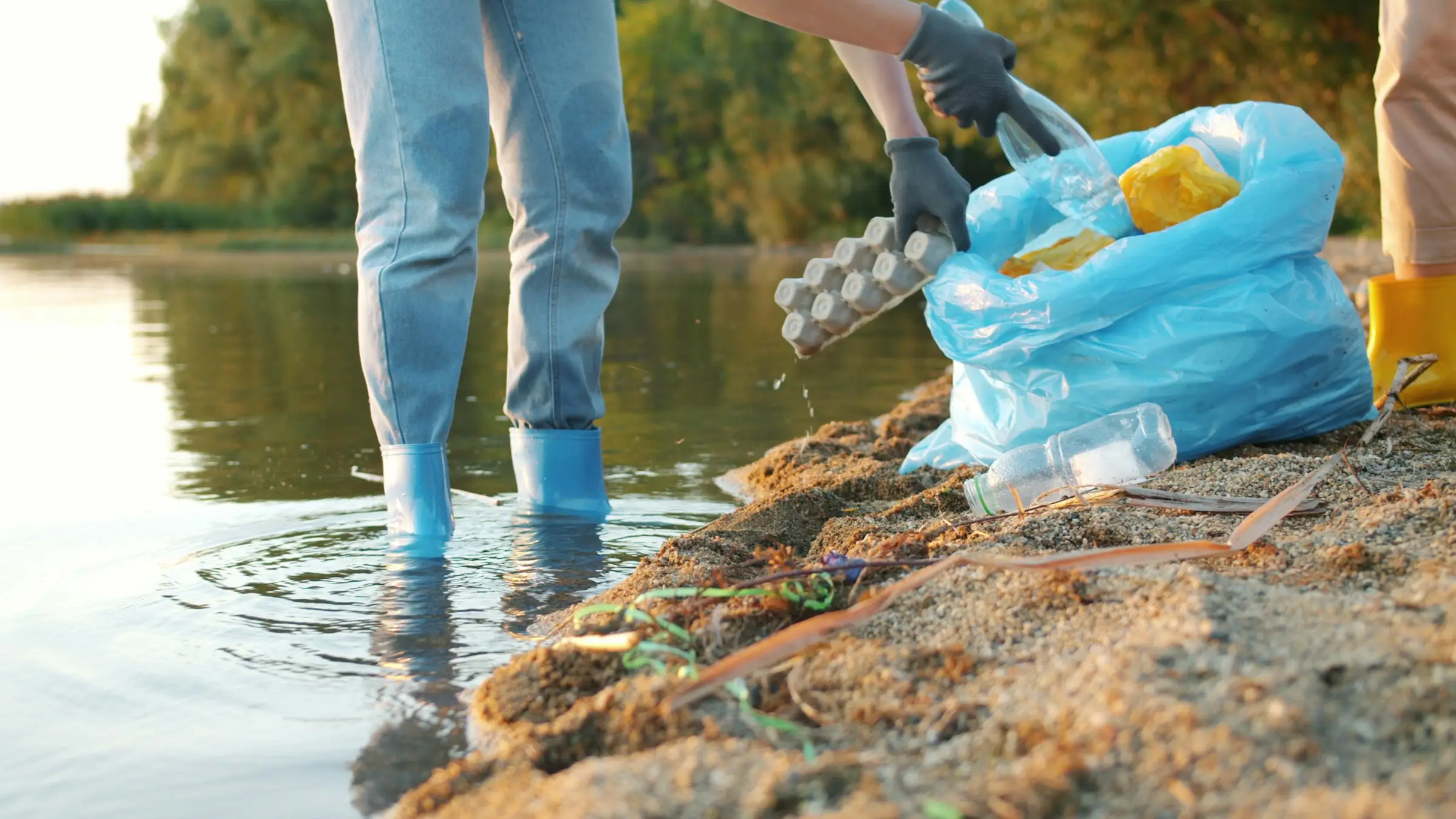
River clean-ups
Winter floods push trash into the willows and onto the gravel bars. When the water drops, we go in after it: tires, fencing, shopping carts, and a great deal of plastic.
Everything we collect is weighed and sorted. Metal goes to the scrap yard in town, which pays us for it. The numbers go into a statewide litter survey.
- When
- Six Saturday mornings a year, between November and April.
- Who can join
- Anyone 14 or older. Under-18s come with an adult. Town Reach clean-ups are open to families with younger children.
- What volunteers do
- Pick up and bag litter on the bank
- Haul heavier items to the trailer, in pairs
- Weigh, sort and record what comes in
- Run the sign-in and safety table
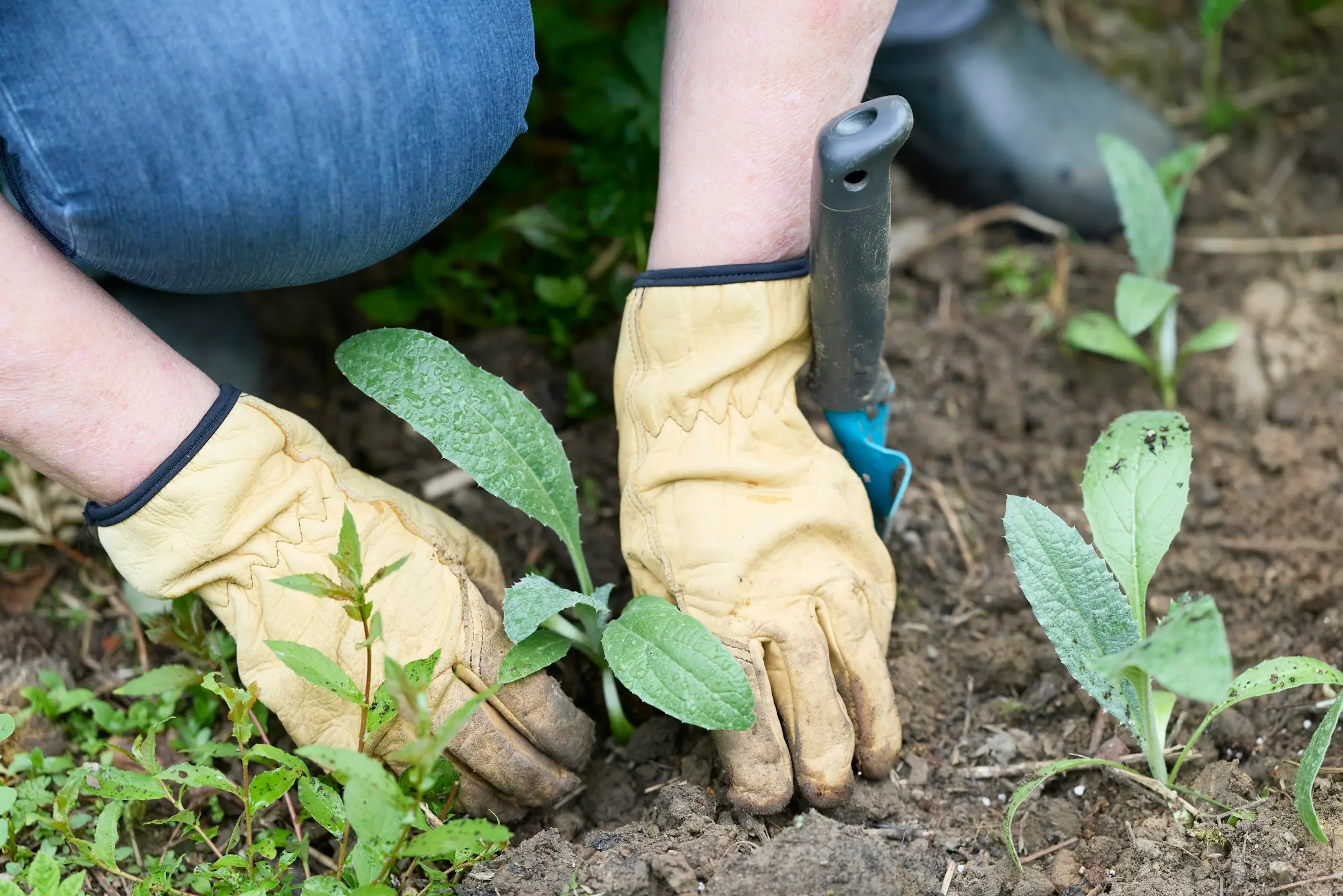
Tree planting
A shaded river stays cooler in summer, and cool water holds the oxygen that young salmon need. Roots also hold the bank together when the river floods.
We plant bare-root natives in winter, when they are dormant and the soil is wet: willow, red-osier dogwood, Oregon ash, Douglas fir and western red cedar. Each one gets a stake and a numbered tag, and we count the survivors every fall.
- When
- Four or five Saturday mornings between November and March.
- Who can join
- Anyone 10 or older. Under-18s come with an adult. Seated tasks are available at every planting.
- What volunteers do
- Dig and plant, in pairs
- Stake, tag and mulch new plants
- Prepare and sort seedlings at the table
- Count and record survivors in the fall
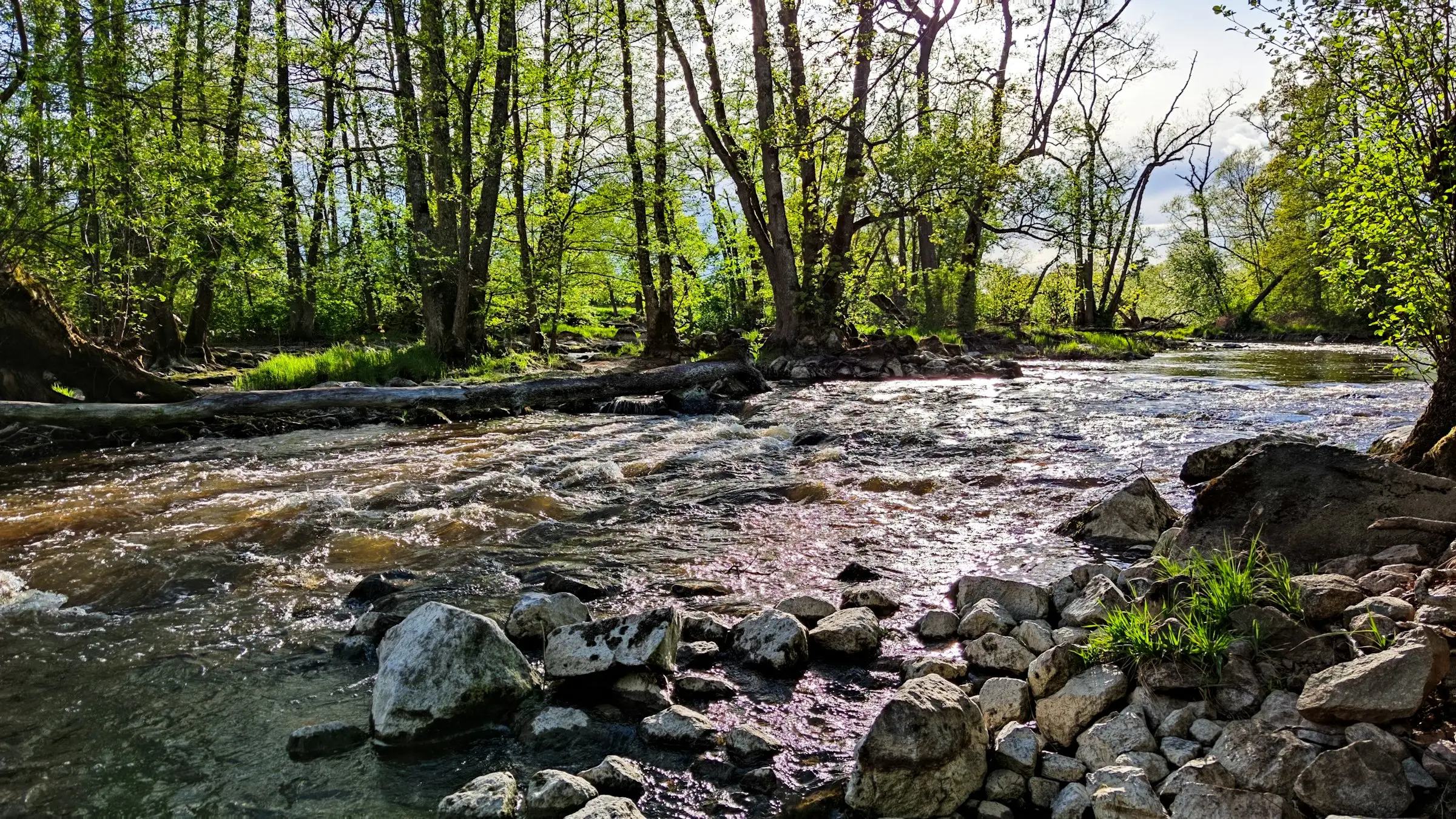
Water testing
Twenty-two trained volunteers sample six sites on the first weekend of every month. They record water temperature, dissolved oxygen, turbidity and pH.
The readings go to the county’s water quality office and to a public spreadsheet. They showed the summer temperature at Heron Bar falling by 1.5 °F since the first plantings there grew tall enough to shade the water.
- When
- One morning a month, after a two-and-a-half-hour training session.
- Who can join
- Anyone 16 or older who can commit to a route for one year.
- What volunteers do
- Take readings at one or two sites
- Record them on a phone or a paper card
- Return the kit to the office for checking
Where we work
Our sites, from upstream to downstream. Each one is reachable from a public road.
- Mile 0
Mill Reach
Below the old mill weir. Clean-ups.
- Mile 1.8
Town Reach
Through Riverside Park. Clean-ups and a water testing site.
- Mile 2.6
Ferry Landing
Boat ramp and picnic shelter. Water testing training.
- Mile 4.1
Heron Bar
Gravel bar planted since 2021. Plantings and a water testing site.
- Mile 7.5
Ash Creek confluence
Former blackberry thicket. Plantings since 2024.
Who we work with
The county water quality office trains our samplers and checks our kits. The Cobble Ford school district sends a class to two plantings a year. The landowners along Heron Bar and Ash Creek have given us written permission to plant and to return every year to count.
Give a Saturday morning.
Sign up once and we send you the season’s dates. Come to as many or as few as you like.